
OpenAI Launches ChatGPT Wallet With Visa, Mastercard and Amex
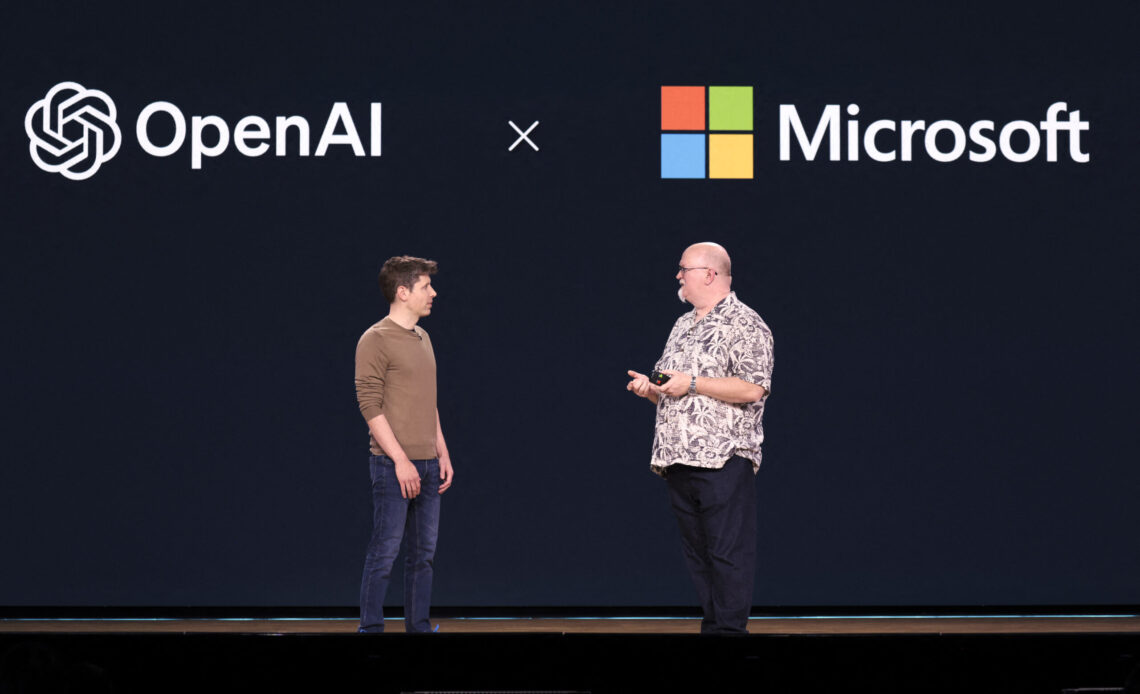
OpenAI launched ChatGPT Wallet on November 13, 2026, allowing AI agents to complete purchases on behalf of users through existing card payment networks. Developed with American Express, Mastercard and Visa, the service initially targets US ChatGPT Pro subscribers and introduces tokenized payment credentials designed to keep customers’ actual card information hidden from merchants and AI agents.
The wallet is being introduced through OpenAI’s dots personal agents, rather than ordinary ChatGPT conversations. Users can authorize individual purchases using biometric authentication, while the payment networks generate substitute card credentials for checkout.
The launch brings OpenAI into a market where card networks, payment processors and cryptocurrency companies are competing to provide infrastructure for AI-driven transactions. It also moves the company beyond helping consumers find products toward allowing its agents to complete purchases.
How Does ChatGPT Wallet Authorize Payments?
Users add an eligible payment card to ChatGPT Wallet and can subsequently authorize purchases without entering their card details again. Before payment, the agent presents the merchant, items, total amount and selected card for approval.
Authentication requires a security check such as facial recognition or fingerprint verification. After approval, the payment network supplies a tokenized credential containing a substitute card number, security code and expiration date.
The transaction is charged to the customer’s existing card, preserving applicable rewards and protections for eligible disputes. Merchants retain responsibility for pricing, order fulfillment, returns and customer service.
This structure allows OpenAI to facilitate payments without becoming the merchant of record or establishing a separate settlement network.
OpenAI said it eventually intends to support purchases authorized in advance under conditions such as spending limits, product categories and specified time periods. Those broader delegation capabilities are not part of the initial transaction-by-transaction approval process.
Availability is currently limited to eligible US-based Pro subscribers aged 18 or older with supported US-issued cards and US billing addresses. The rollout also supports eligible Chase cards, although compatibility varies by issuer and merchant.
Investor Takeaway
OpenAI’s decision to use existing payment networks reduces the need for merchants to adopt entirely new settlement infrastructure. For Visa, Mastercard and American Express, agent-initiated transactions create another potential source of card payment volume without fundamentally changing their established processing models.
Why Are Payment Networks Investing in AI Agents?
ChatGPT Wallet enters a market where payments companies have already developed infrastructure for transactions initiated by software rather than consumers directly.
Visa introduced Intelligent Commerce Connect in April 2026, providing tools for agent authentication, tokenization and transaction controls. The company subsequently advanced commercial deployment, including an October pilot with BILL and Billtrust involving pre-approved invoice payments.
OpenAI is addressing that issue by working with payment processors and fraud prevention providers to help existing checkout systems recognize legitimate agent activity.
Mastercard has also developed Agent Pay infrastructure, while Google introduced its Agent Payments Protocol in 2025 to establish authorization and transaction verification standards for AI agents.
The competitive challenge extends beyond payment execution. Providers must establish whether an agent is acting with valid customer authorization and whether transactions comply with restrictions established before checkout.
OpenAI has not disclosed transaction volumes, wallet revenue arrangements or the fees it might receive from payment partners.
Investor Takeaway
Agentic commerce creates opportunities for payment networks, but transaction authorization and fraud prevention remain central to adoption. Existing card networks benefit from established issuer relationships and dispute mechanisms, while OpenAI gains a purchasing capability without displacing those intermediaries.
Can Stablecoins Compete With Card-Based Agent Payments?
Cryptocurrency companies are developing alternative payment infrastructure for autonomous AI systems, particularly for transactions involving digital services and machine-to-machine commerce.
Coinbase introduced x402 in 2025, enabling applications to request and settle payments through internet protocols using stablecoins. The standard subsequently attracted support from major payment companies, with Visa, Mastercard and Ripple joining the x402 Foundation in July 2026.
Circle introduced Agent Stack in May, providing infrastructure for AI agents to manage and spend USDC within predefined controls.
Other providers are combining traditional payment acceptance with crypto infrastructure. Alchemy’s AgentCard, for example, supports Visa payment tokens alongside cryptocurrency wallets and agent payment protocols.
The distinction is largely economic. Card networks already offer broad merchant acceptance and consumer protections, making them suitable for conventional retail purchases. Stablecoin infrastructure may be more attractive for small, automated transactions involving APIs, computing resources and other digital services where conventional card-processing costs can be restrictive.
Juniper Research estimated global agentic commerce transaction value at $8 billion in 2026 and projected it could reach $1.5 trillion by 2030. The April forecast reflects expected industry growth rather than transaction volumes already achieved.
For OpenAI, the immediate test is whether customers can successfully complete purchases across existing merchant systems. For payment networks and crypto infrastructure providers, the larger commercial question is which technologies will capture transaction volume as AI agents begin purchasing more frequently and with less direct human involvement.
Investor Takeaway
Card networks and stablecoin providers may serve different segments of agentic commerce rather than compete for every transaction. The relative economics of payment fees, settlement speed, merchant acceptance and automated spending controls will determine where each model gains adoption.