
What Did The OCC Approve?
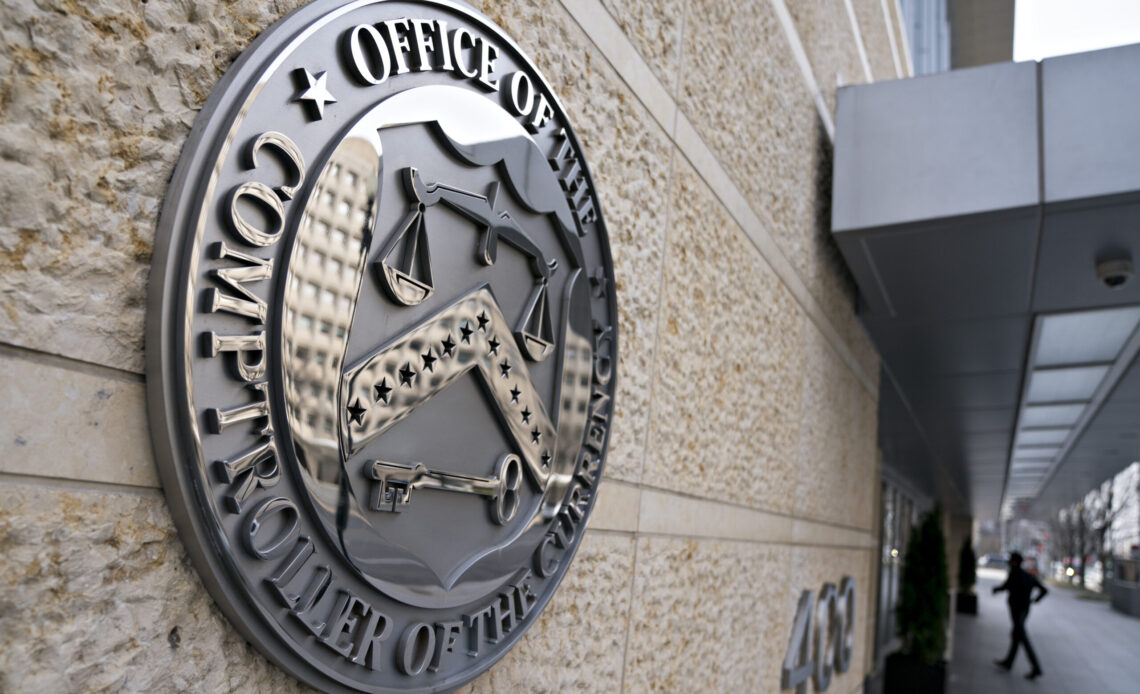
OpenReserve Bank has received preliminary conditional approval from the Office of the Comptroller of the Currency to establish a full-service national bank, giving the Andreessen Horowitz-backed company a path toward operating a federally supervised banking business focused on tokenized deposits and digital assets.
The proposed bank must raise at least $210 million in initial paid-in capital, net of organizational and preopening expenses, before it can begin operations. The OCC is also requiring OpenReserve to maintain a Tier 1 leverage ratio of at least 12% during its first three years.
The approval is preliminary rather than final. OpenReserve must still satisfy the OCC’s preopening conditions, obtain Federal Deposit Insurance Corporation coverage and apply for Federal Reserve Bank stock before launching.
Founded in 2025 by Diwakar Choubey and Richard Correia, OpenReserve is being built around a programmable core ledger and onchain settlement infrastructure. Its planned services include deposits, lending, payments, treasury services, tokenized deposits, digital asset custody and foreign correspondent banking.
The structure would place blockchain-based financial products inside a federally chartered banking framework rather than offering them solely through a crypto company operating alongside traditional banking partners.
Why Do Tokenized Deposits Matter?
One of the most closely watched parts of OpenReserve’s plan is its proposed use of tokenized deposits. Unlike stablecoins issued outside a bank balance sheet, tokenized deposits can represent commercial bank deposits while using blockchain infrastructure for settlement and transfer.
That model could appeal to companies seeking faster settlement and programmable payments without moving funds entirely outside the regulated banking system. It also puts OpenReserve into competition with banks and fintech companies exploring blockchain-based cash products for institutional customers.
The OCC letter also said OpenReserve plans to create a wholly owned subsidiary for issuing, custodying, converting and processing payments involving U.S. dollar-denominated reserve-backed stablecoins. The subsidiary has not yet submitted an application, meaning the stablecoin business will require additional regulatory review.
OpenReserve previously raised a $25 million seed round led by a16z crypto, with participation from Jump Capital, Acrew, Coinbase Ventures, Wintermute Ventures, Clocktower, Quona, AAF Management and Zero Knowledge Ventures.
Investor Takeaway
OpenReserve’s approval matters because it could bring tokenized deposits, digital asset custody and potentially stablecoin issuance under one national bank structure. The main test is whether the company can meet the OCC’s capital and preopening requirements and turn that model into a commercially viable banking business.
Is The OCC Opening The Door To More Crypto Banks?
OpenReserve’s approval adds to a series of crypto-related charter decisions under Comptroller Jonathan Gould, who has argued that companies using new financial technologies should have a route into federal banking supervision.
Since 2025, the OCC has received 40 de novo charter applications and approved 21. The agency has also granted conditional approvals for national trust bank charters to companies including Coinbase, Paxos, BitGo, Ripple and Circle.
Revolut received a similar conditional approval on Wednesday, while World Liberty Trust Company also secured OCC approval in recent weeks.
The approvals suggest the OCC is willing to consider crypto companies and digital asset infrastructure providers within existing federal banking structures rather than requiring them to remain outside the banking system.
For applicants, however, a charter can bring heavier capital, governance, risk management, compliance and supervisory requirements. OpenReserve’s $210 million minimum capital requirement is far above the $25 million it previously raised, leaving the company with substantial financing work before it can open.
Why Is The Charter Push Facing Political Scrutiny?
The OCC’s approach has also drawn criticism from lawmakers concerned that crypto companies could use national trust charters to pursue activities beyond the narrower functions traditionally associated with trust banks.
Senator Elizabeth Warren raised those concerns in May, questioning the OCC’s treatment of applications involving Ripple, Circle, Paxos, Fidelity, BitGo and Coinbase. The debate centers on how far federally chartered crypto institutions should be permitted to extend into payments, custody, stablecoins and other financial services under the National Bank Act.
OpenReserve differs from many crypto charter applicants because it is seeking to build a full-service national bank rather than only a trust bank. That makes its application an important test of how federal regulators will treat banks designed from the beginning around blockchain settlement and tokenized financial products.
If OpenReserve receives final approval and launches successfully, it could offer a model for other fintech and crypto companies that want direct access to the U.S. banking system rather than relying on third-party banks. The more immediate hurdle is execution: raising the required capital, satisfying the OCC’s conditions and securing the additional approvals needed before customers can open accounts.